
📦 Reduced shipping costs and adjusted according to the number of bottles. Free shipping on purchases over €180
New: Shipping available from 3 bottles
Red or rosé? The summer season is still going strong, and a question arises: which wine should you choose? Should you opt for a full-bodied red to enhance grilled meats, or choose the freshness of a rosé, the star of summer meals? Both have their strengths. Here’s an objective overview to help you find the perfect pairing for your dishes and preferences.
Rosé captivates with its freshness, lightness, and fruity aromas. It evokes holidays and effortlessly pairs with grilled meats, fish, and vegetables.
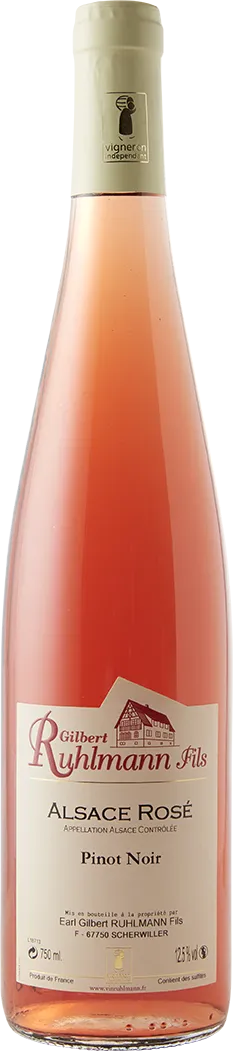
An Alsace Pinot Noir rosé combines vibrancy and fruitiness (cherry, raspberry, strawberry). Light, it pairs well with poultry skewers, grilled vegetables, or mixed salads. Served at 8-12°C, it’s refreshing and enhances a relaxed atmosphere.
Not all rosés are alike:
In summary, rosé shines with its versatility: light and crisp for delicate dishes, more full-bodied for robust grilled dishes.
Traditionally associated with red meat, red wine provides structure and tannins that enhance the grilled flavor.
But red wine can also be light:
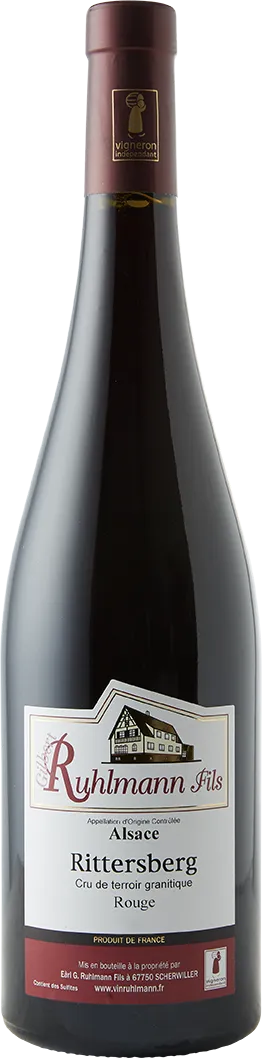
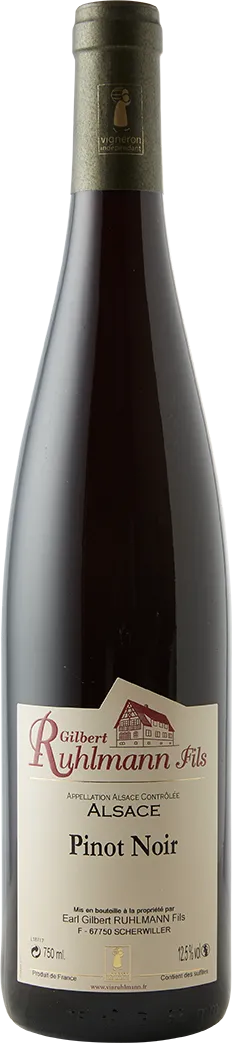
The Alsace Pinot Noir is an excellent option: ruby color, cherry aromas, supple palate, and low tannins. Served at 10 to 14°C, it pairs well with white meats, country buffets, or lighter red meats.
It offers a great advantage in summer: in its traditional form, it can be chilled in the refrigerator, ideal for quenching your thirst when the thermometer climbs to 30°C.
Barrel-aged cuvées, like the Pinot Noir “Rittersberg”, offer more body and pair with richer dishes (duck breast, pork ribs, game).
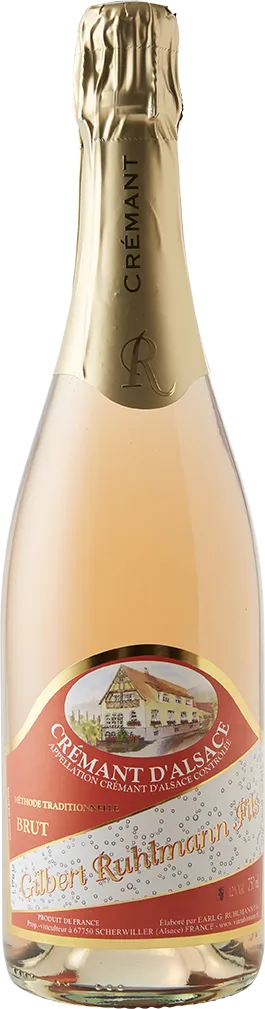
Made from 100% Pinot Noir, it offers fine bubbles, freshness, and red fruit notes. Ideal at 5-7°C:
Very popular, especially across the Rhine, Rosé Crémant is readily enjoyed as an aperitif or for relaxing after a long day at work with friends to kick off the festivities.
Note that while it’s less suited for large cuts of beef, it remains a gastronomic wild card for starting a meal or accompanying a light menu.
No absolute winner: red brings depth and tannins, while rosé offers lightness and freshness. The ideal approach? See them as complementary.
Start with a rosé (or rosé Crémant) for the aperitif and starters, then move on to a red suited for the main course. An Alsace rosé or a Provence rosé will cover a wide range of dishes, while a light Pinot Noir will please red wine lovers without making the meal too heavy.
By focusing on the harmony between food and wine, you’re sure to transform your grilled dishes into a memorable experience. Red, rosé… or both!
Yes. A light red like a Pinot Noir or a Gamay can be chilled to about 12°C. This adds freshness while preserving its fruity aromas, perfect for hot days.
Opt for a structured and darker rosé, from a long maceration (Syrah, Grenache). It will have enough body to stand up to the spices of merguez or chipolatas.
Tannic red wines can impart a metallic bitterness with fish. It's better to opt for a crisp rosé or an aromatic dry white like a Riesling or a Sauvignon.
Yes, for light grilled dishes like poultry or fish. It's also ideal as an aperitif. For full-bodied red meats, it's better to switch to a structured red.
Rosé is often more versatile, ranging from fish to white meats, and even to spicy dishes if well-structured. Red, being more selective, excels with red meats and lamb.